Yes, Koalas do affiliate marketing.
I wanted a project where I could learn something new and flex my creativity freely. Something fun. Something that uses what I naturally bring to the table and stretches my abilities in a good way. Something that, at its very nature, was positive and made me smile while working on it.
Enter Lil Joy Day (@liljoyday on Instagram): a social content channel that celebrates life's small pleasures while occasionally recommending affordable products that deliver those moments. Think "that feeling when you melt into heated car seats on a freezing morning"—sometimes followed by a link to actually buy those heated seat covers, sometimes just left as a shared moment.
It's part creative outlet, part affiliate marketing experiment, and entirely a chance to build something unique and joyful.
The Concept: Emotion First, Product Second
(Or Not At All)
Most product recommendation accounts lead with the product. "Check out these cool gadgets!" or "Amazon finds you need!" They're functional but forgettable.
I wanted to flip it. Lead with the relatable moment—the little joy—and sometimes position a product as the solution. Sometimes the post is just about recognizing a shared human experience. The product is secondary. The connection is what matters.
The brand positioning practically writes itself: Discovering little joys, sharing the feeling. Affordable finds that spark happiness daily.
Not "buy these things." Not "product recommendations." Just "here's a good feeling we all recognize."

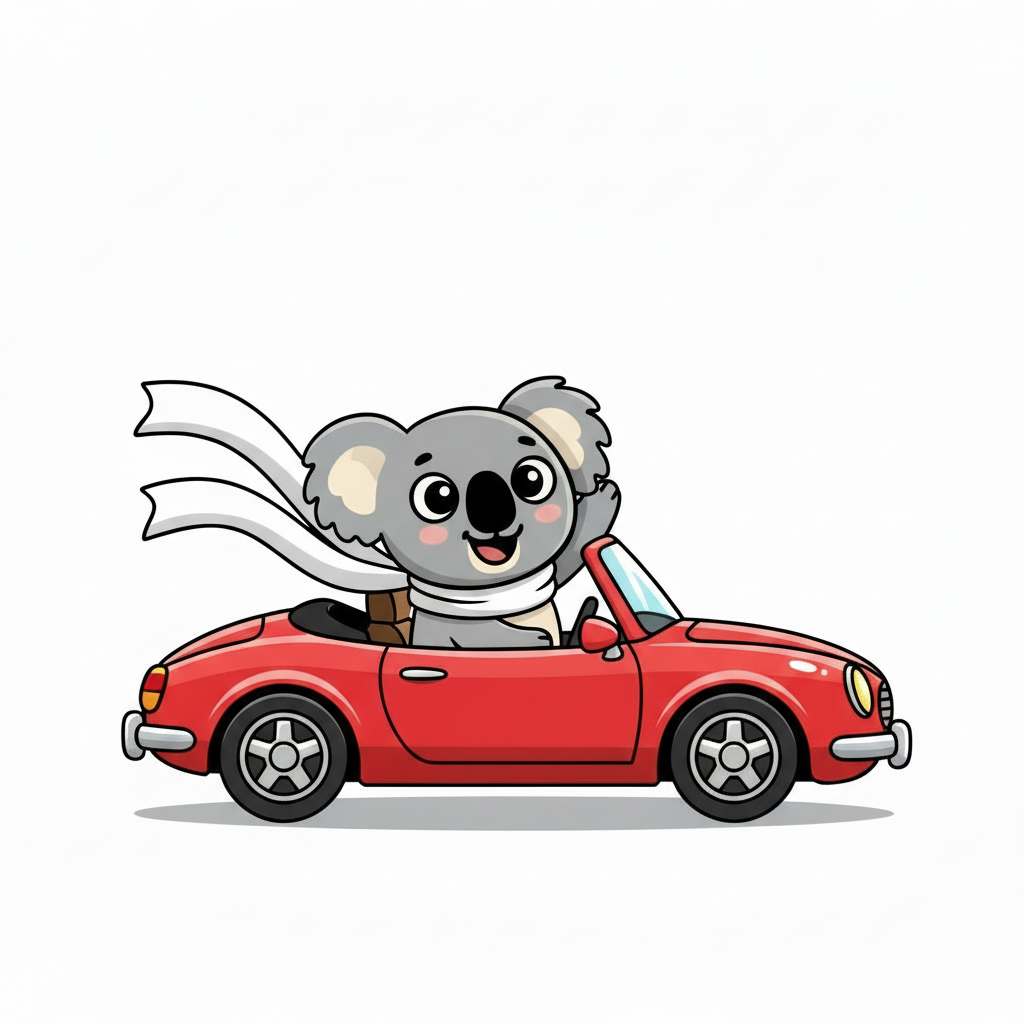
Building the Brand: Meet Joy the Koala
I knew the visual identity needed to stand out immediately. Instagram's saturated with product content—clean minimalism, aesthetic flatlays, unboxing videos. I wanted something distinctly different. Something fun.
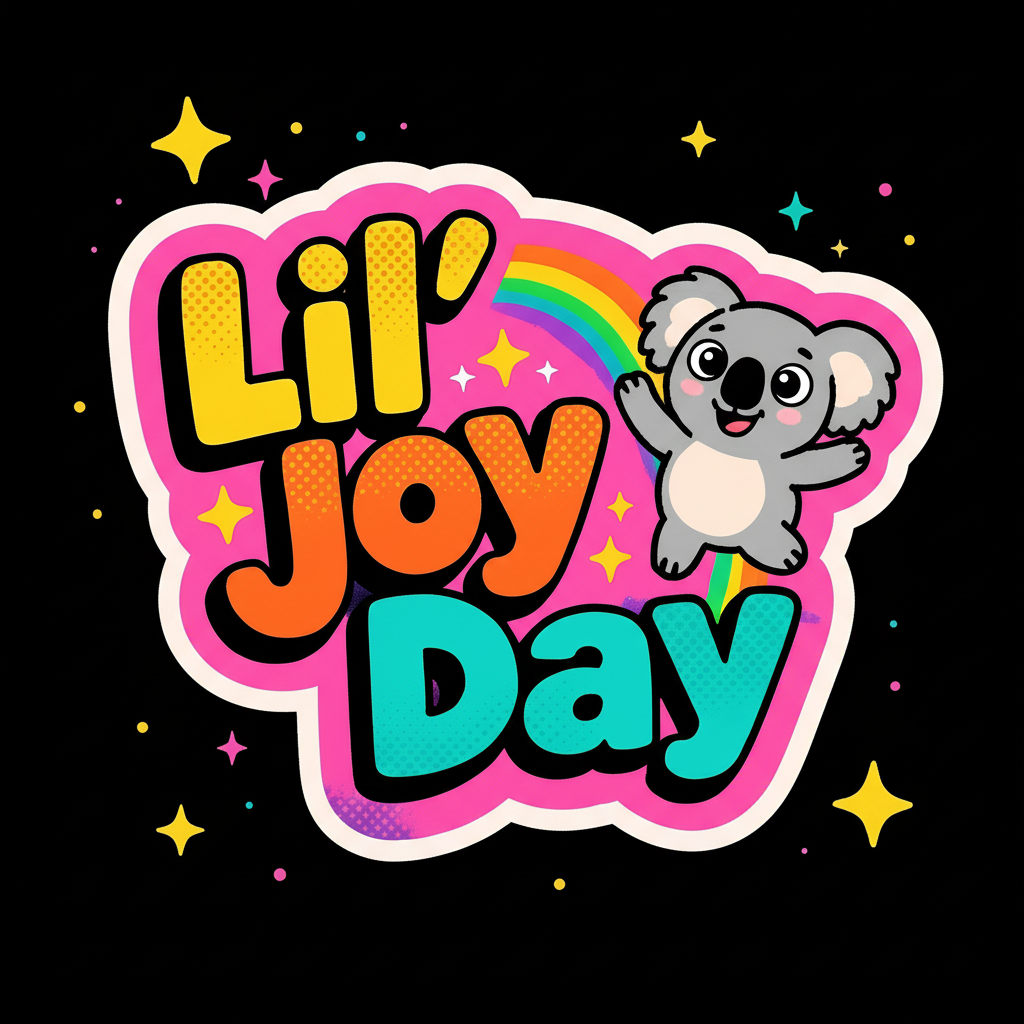
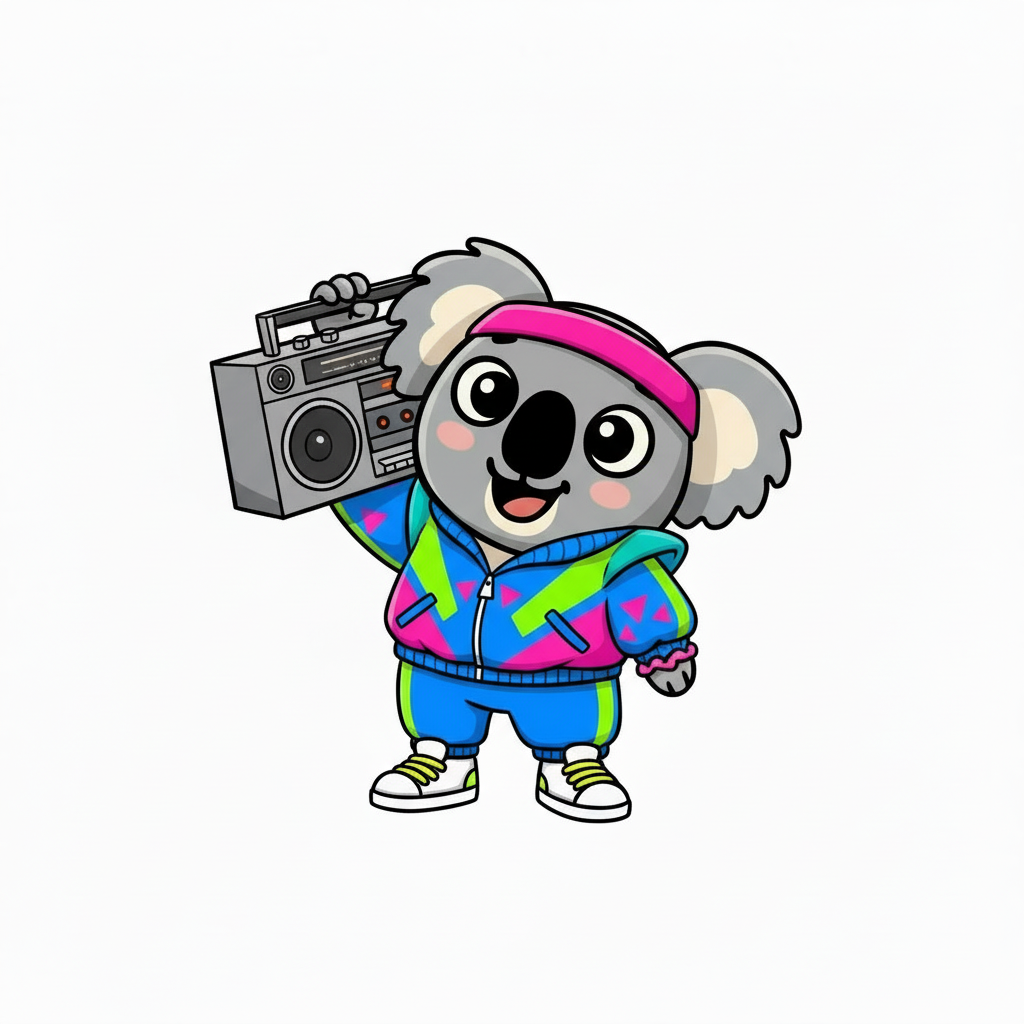
The Character: I created Joy, a koala mascot for the brand. Why a koala? They're universally beloved, they literally spend their days just chilling and enjoying eucalyptus leaves (very on-brand for "little joys"), and they're visually distinctive without being childish. The logo features Joy sitting on a pink cloud with rainbow elements and sparkles—playful, optimistic, immediately recognizable AND SUPER FUN.
The Visual System: For the content itself, I developed a silhouette-based reveal technique. Each post opens with a black silhouette of the product against a vibrant, color-blocked background—creates visual intrigue and hooks you in the first frame. Then a quick reveal to the full-color product. It's simple to produce (crucial when you're posting daily), visually cohesive, and honestly doesn't exist in this space yet. Every post ends with a branded "patch" stamp and a verbal "little Joy" signature.
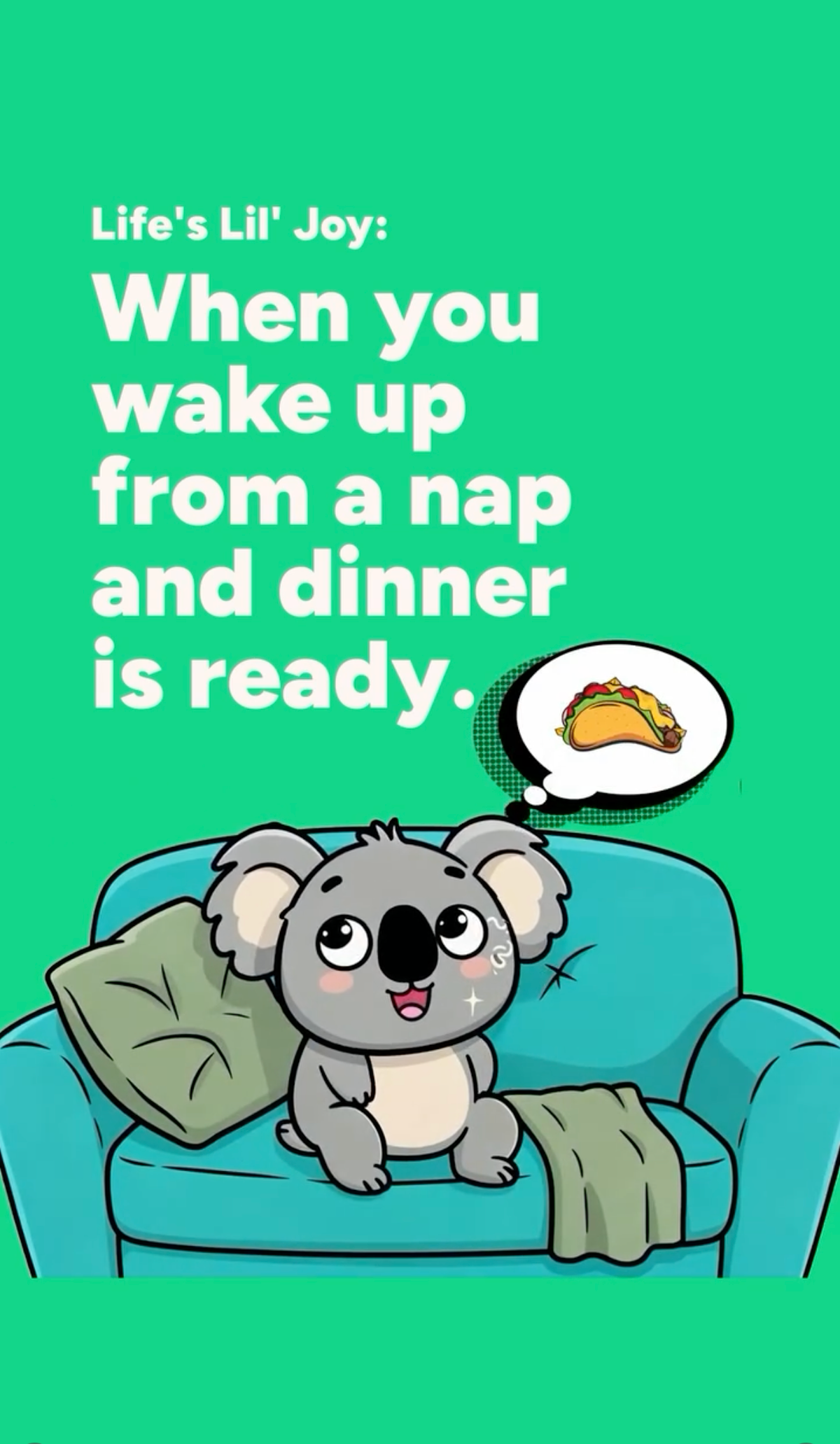
The Voice: Conversational, warm, specific. Not "check out this product" but "that moment when you wake up to the smell of coffee already made." It's about recognizing shared human experiences first, selling second (if at all).
The Music: Each post gets its own soundtrack—a mix of relevancy to the moment, humor, and whatever's currently trending for reach. It's another piece of the creative puzzle: finding the audio that amplifies the feeling without being too on the nose.
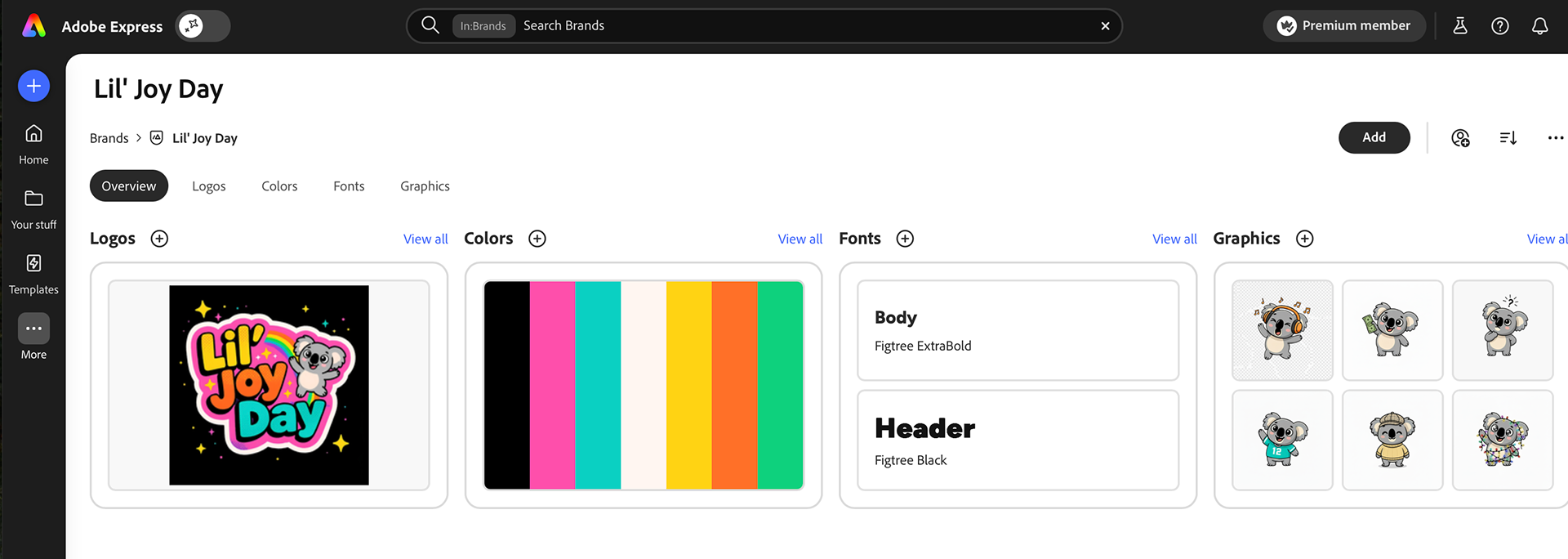
The Content Strategy: Testing What Actually Works
Here's where it gets interesting. Unlike most brands where the product stays consistent, Lil Joy Day features different products constantly—or no product at all. You can't build long-term campaigns around specific items when you're posting daily about new moments.
So the content strategy centers on:
Consistent emotional framework: Every post starts with a relatable moment. Sometimes that leads to a product, sometimes it's just the shared recognition.
Distinctive visual brand: The silhouette-reveal style and color palette make every post instantly recognizable
Category rotation: Kitchen joys, car comforts, cozy home items, tiny luxuries—keeping it varied while maintaining coherence
Seasonal relevance: Launching in Q4 means leaning into holiday gifting, winter coziness, stocking stuffers
I handle everything concepting each post, writing the joy descriptions, sourcing products from Amazon when applicable (quality matters—I only feature things with 4+ stars and hundreds of reviews), creating the visual assets in Adobe Express, animating the text overlays and reveals, selecting the music, editing the Reels, writing captions and hooks (super important), scheduling everything.
It's a full production pipeline compressed into a repeatable system I can execute in about 20-25 minutes per post once I'm in flow.
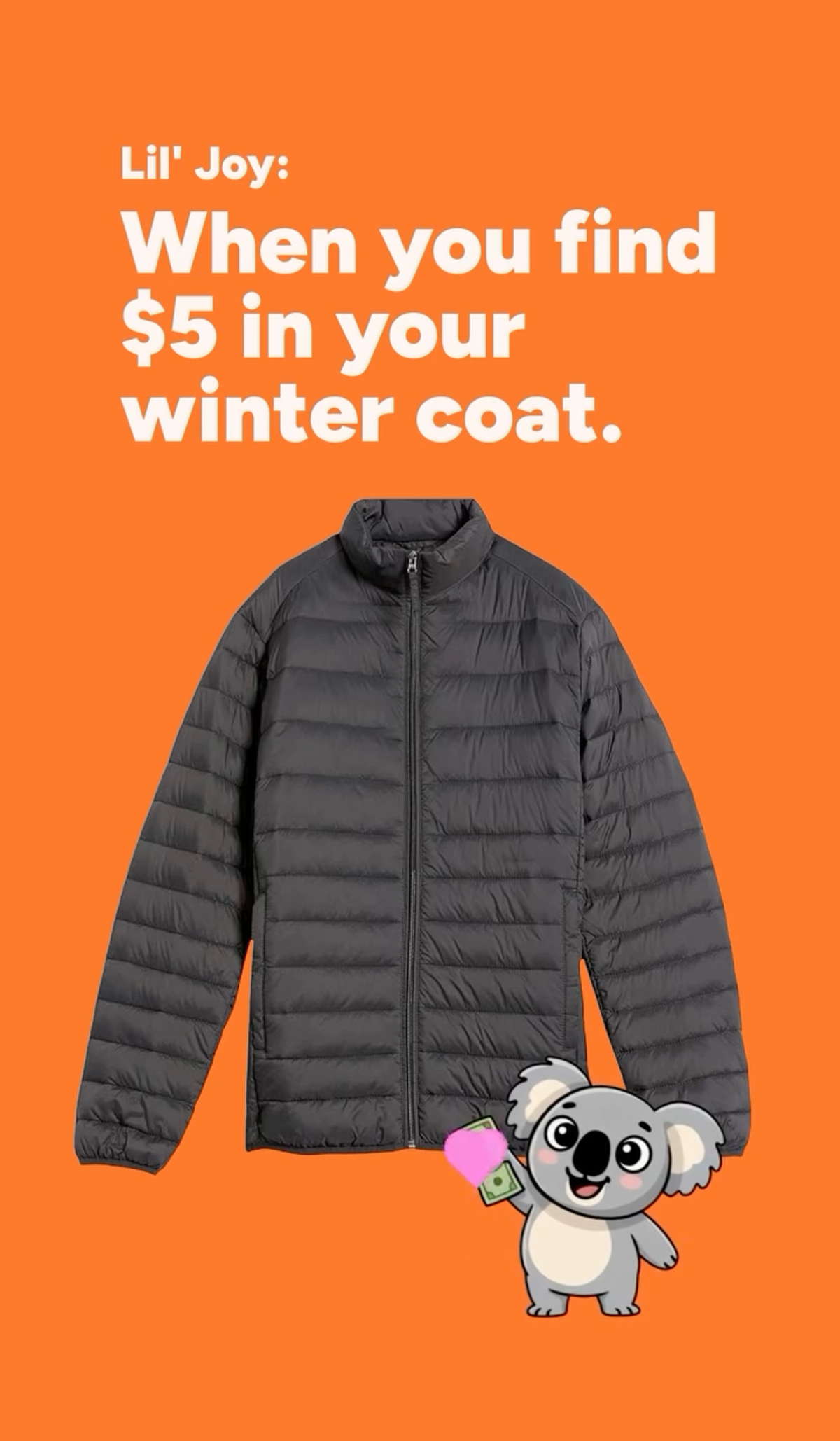
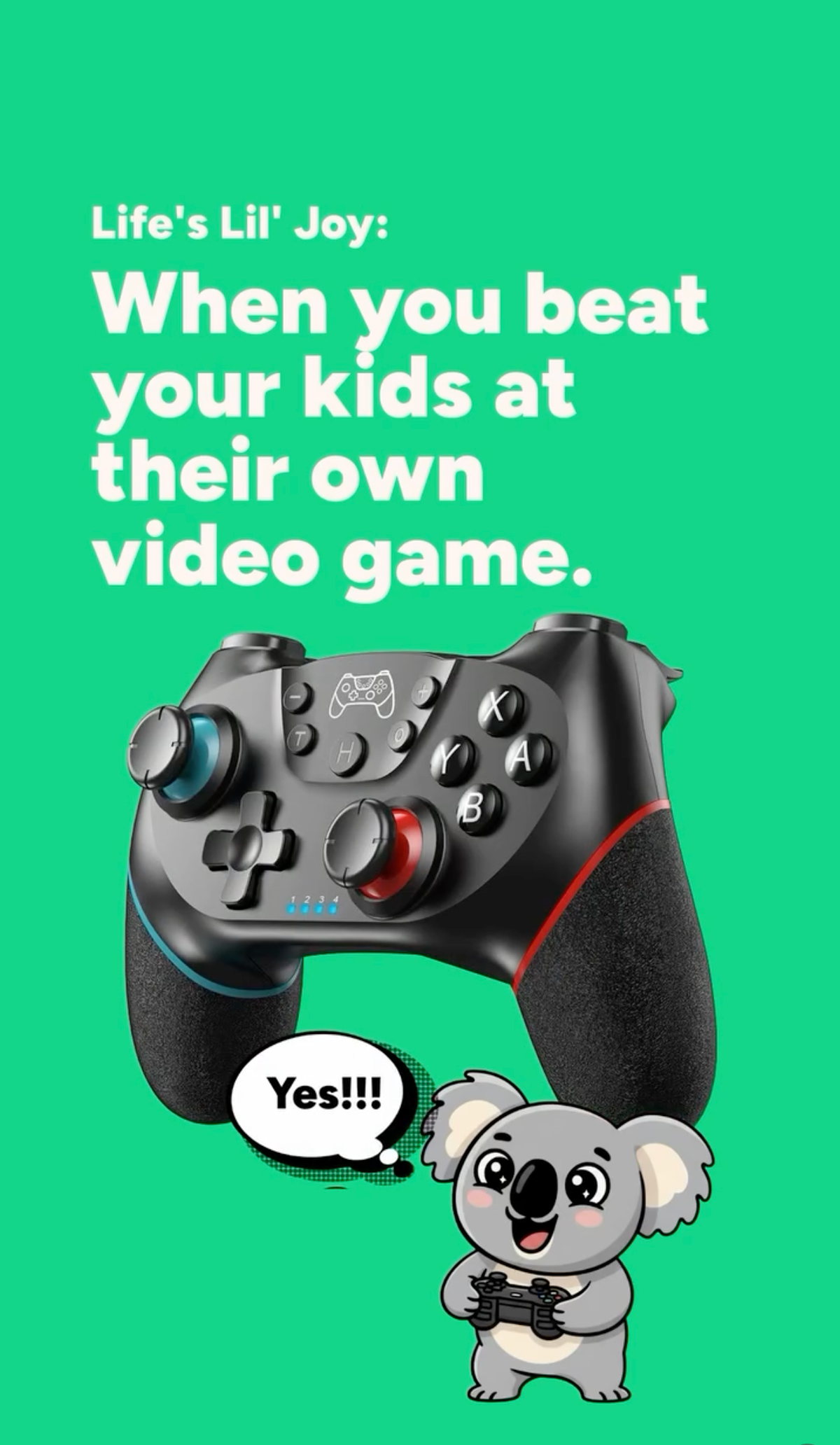
The Affiliate Experiment: Zero Budget, Real Results
This was my crash course in affiliate marketing. I set up an Amazon Associates account and integrated everything through Linktree. Every product featured gets its own affiliate link.
The economics are straightforward: Amazon's commission rates range from 1-10% depending on category, with most products I feature earning 4-8%. So a $40 heated seat cover nets about $1.60-3.20 per sale. Not huge margins, but it scales.
The early results have been surprising: With just 11 followers and 25 posts, I've generated $250+ in affiliate sales. That's not about reach—it's about targeting and conversion. The people who do find the content are actually buying, which tells me the product selection and emotional positioning are working.
Zero ad spend. All organic reach. Pure content-to-commerce conversion.
The Learning: Your Gut Isn't Always Right (And That's Fine)
Here's what I didn't expect: my assumptions about which content would perform were wrong about 40% of the time.
I'd create a post I thought was brilliant—perfect relatable moment, great product, solid execution—and it would fall completely flat. Then I'd put together something I thought was just okay, and it would get 3x the engagement.
You can't just rely on creative instinct. Because what hits for you, might not hit for your audience. You've got to test, analyze, adapt, iterate. Look at the data.
Which product categories are people engaging with?
What time of day performs best?
Which emotional hooks resonate vs. which feel forced?
Are people clicking through or just scrolling past?
Then you adjust. Double down on what works. Kill what doesn't. Try new angles. Confirm the patterns. Scale the winners.
But—and this is crucial—you also can't only optimize to the data. You need the creative vision and big ideas to give the iterations something to work with. It's a balance.
Pure creativity without testing wastes effort.
Pure optimization without creativity makes everything bland.
They complement each other. That's what keeps the momentum going.
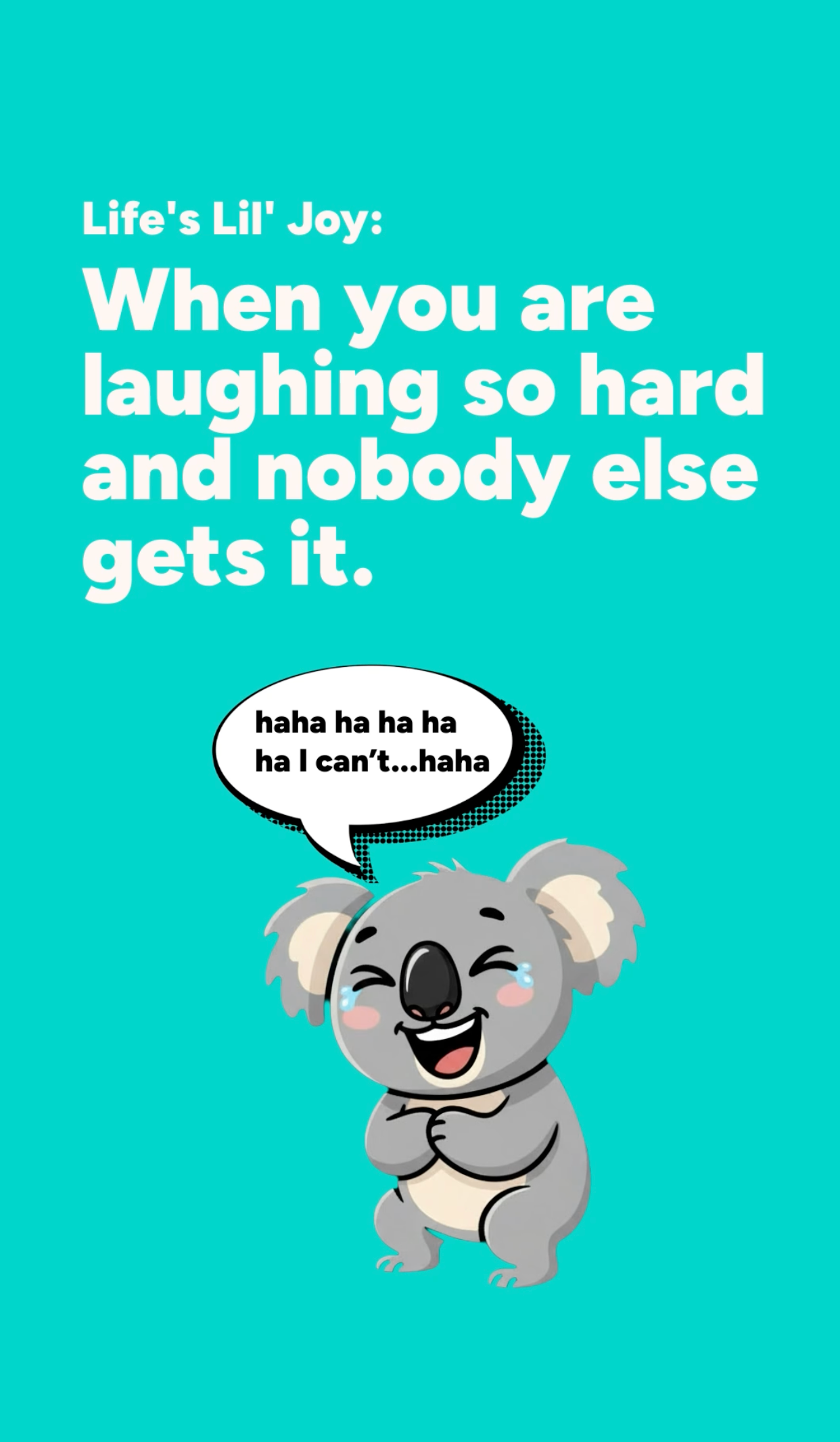
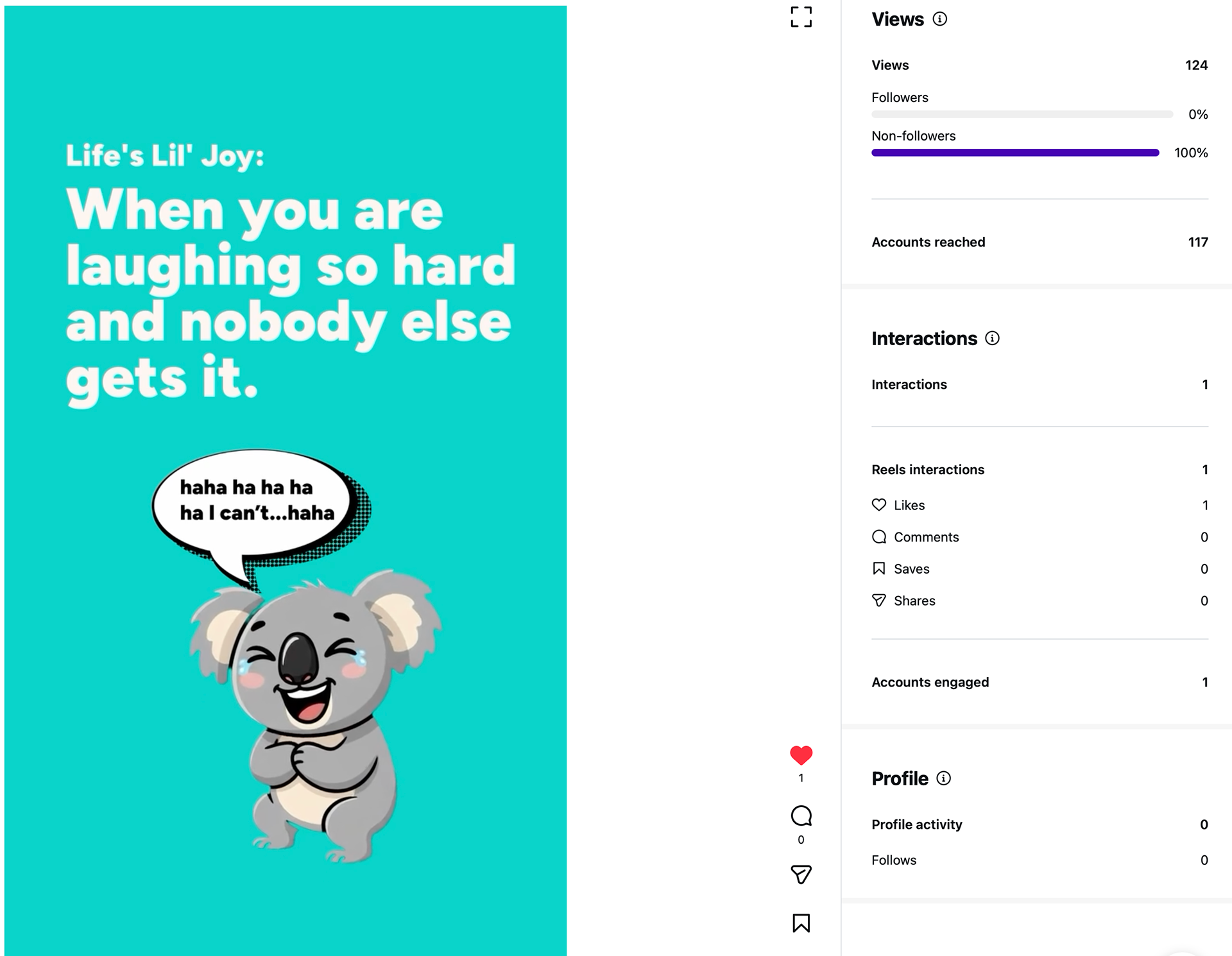
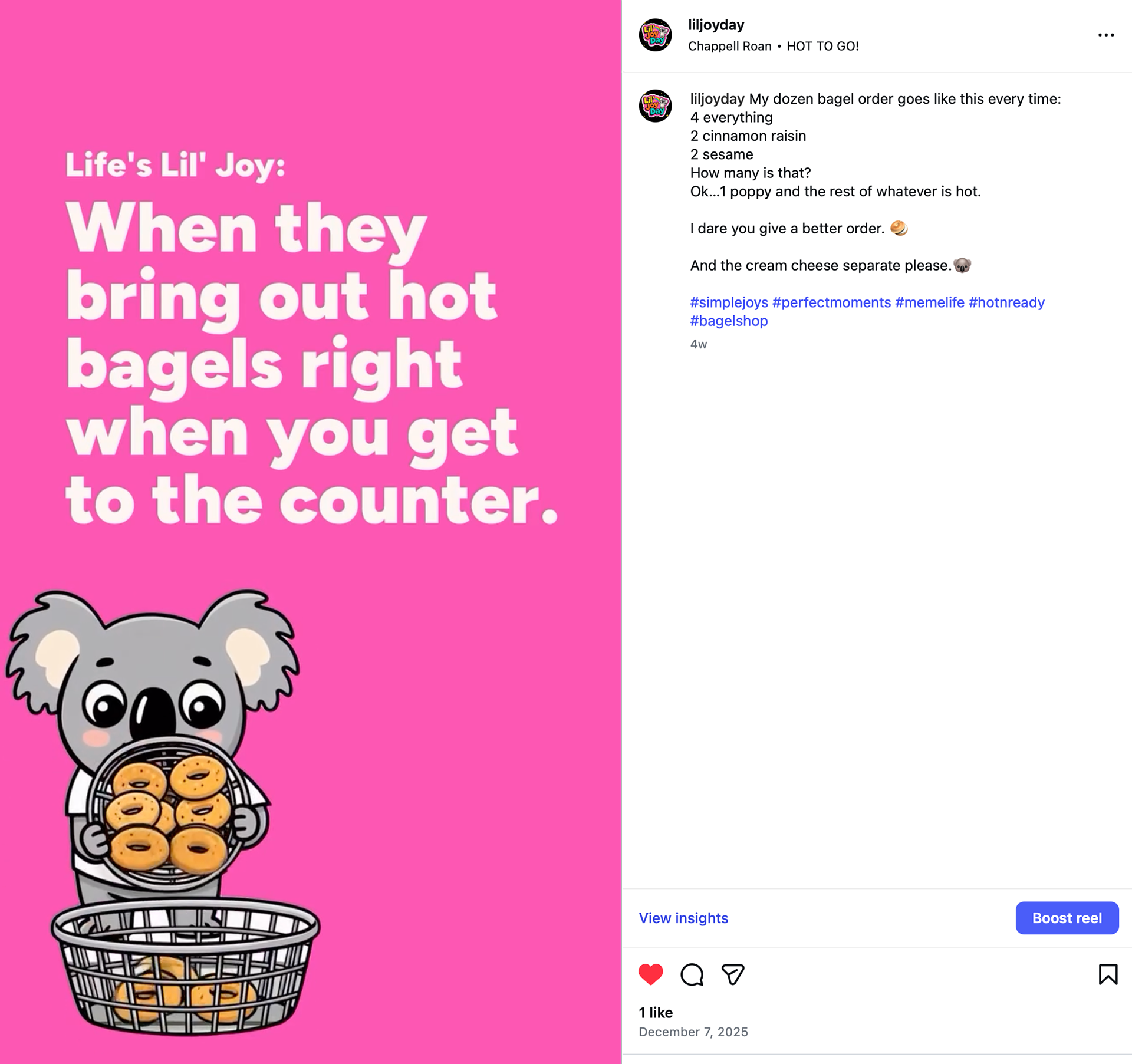
This is my favorite post and it had the absolute lowest engagement. (I still love it)
What's Next
Lil Joy Day is still brand new. The follower count is low. The reach is building. But the conversion rate is strong, which means the core concept works—it just needs scale.
The plan's simple - post consistently for 90 days. Track everything. Iterate fast. Build the follower base organically. Hit 10,000 followers to unlock the Amazon Influencer Storefront. Start landing brand partnerships. Grow affiliate revenue. See where it goes. Have fun.
But honestly? Even if it doesn't scale to full-time income, I've already gotten what I wanted. A project where I'm free to explore creatively and strategically, a chance to learn a new marketing channel, and an excuse to make something fun again.
If you like these ideas and want to use them or collaborate, let me know here.